

FAQ
Latest Commercial Clients Include:
Neighbors Contruction, Overland Park, Kansas
Restaurant 1900
Nelson Atkins Museum of Art
Panerai- Las Vegas
L'Occitane-Charlotte
Panerai Boutique- San Diego
Mulberry-Las Vegas
Incarnation Lutheran Church
Mulberry-San Jose
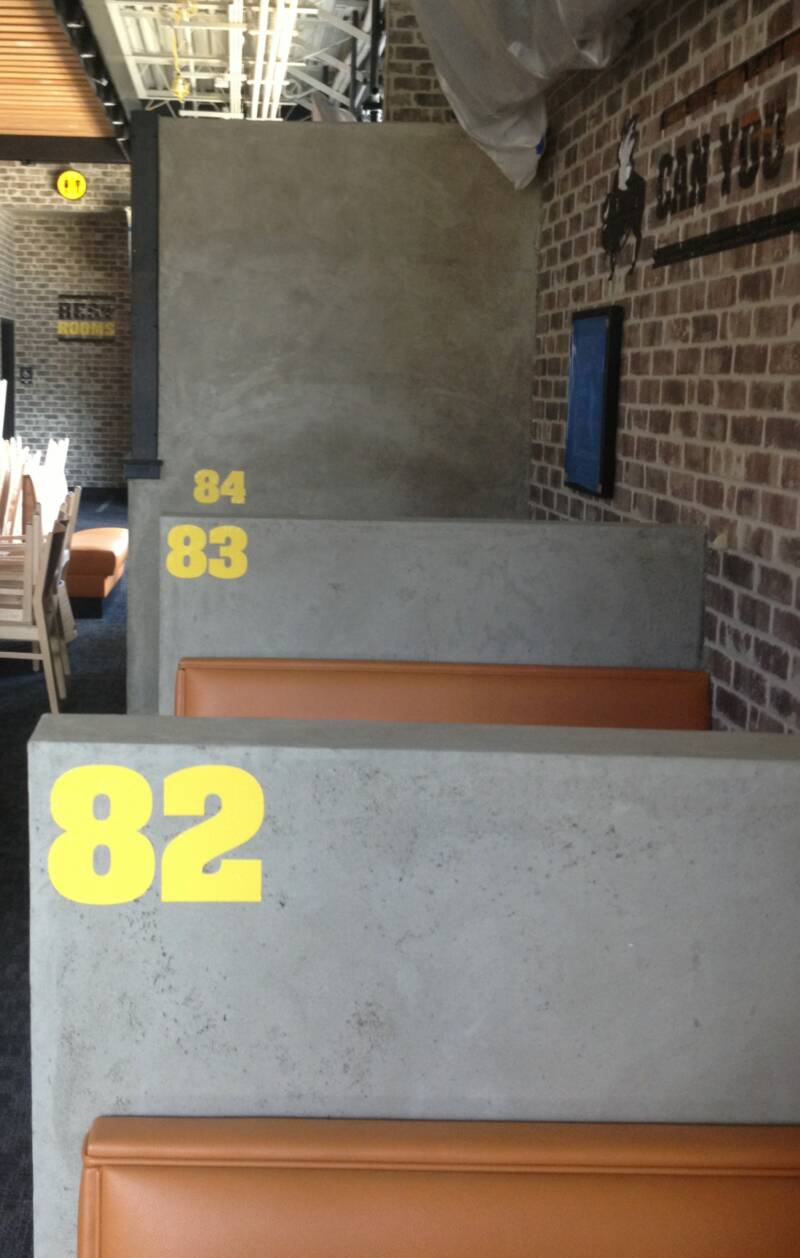
Buffalo Wild Wings-Santee
Panerai Boutique- La Jolla
Breguet-Beverly Hills
Ryan's Coffee-Temecula
Cafe Madeleine-San Diego
760-715-4618

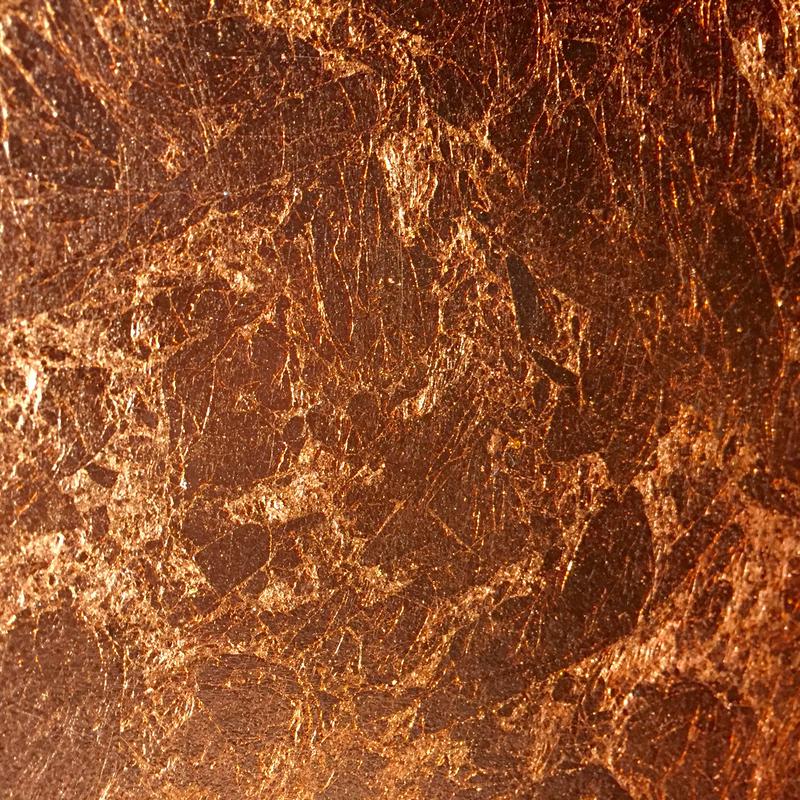
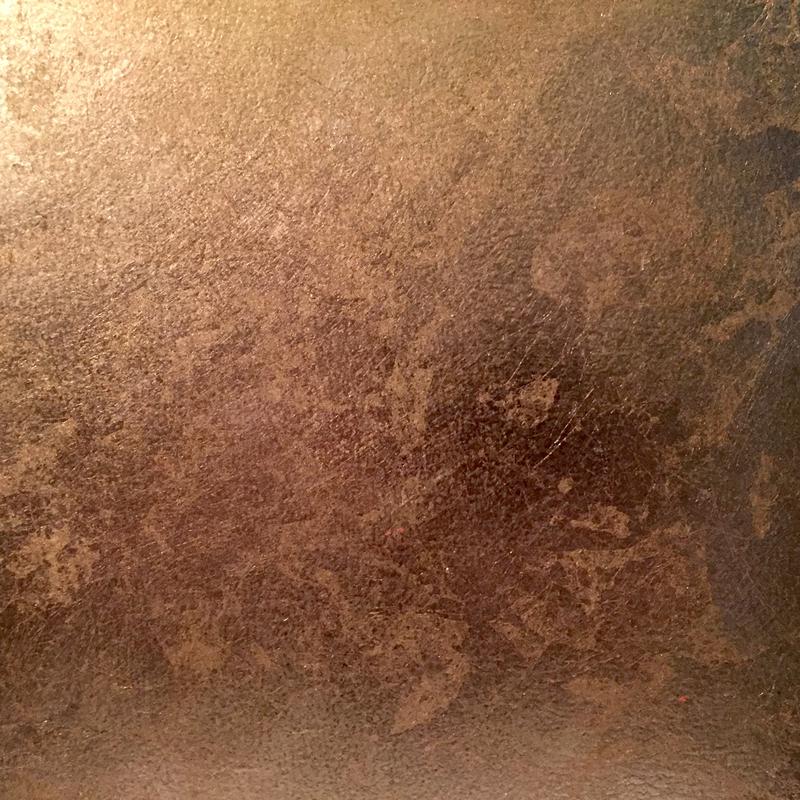
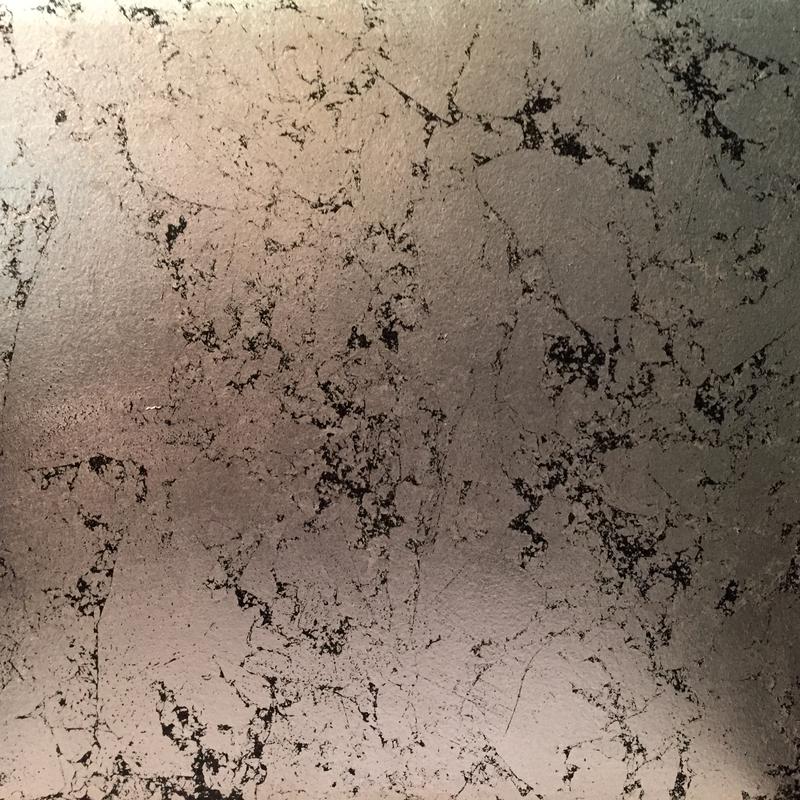
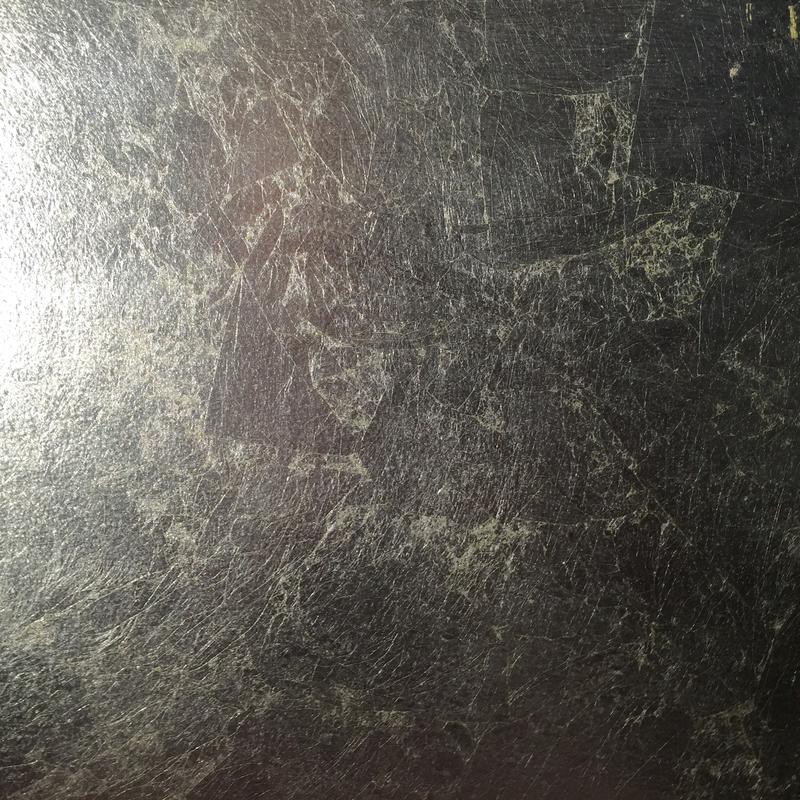
Cooper Leaf
Dutch Gold Leaf
Imitation Silver Leaf
Services
Decorative Plasters:
- Venetian plasters
- High polished plasters
- American Clay
- Japanese plasters
- Faux cements
- Faux stone veneers
Metal Leafing:
- Dutch Gold
- Imitation silver leaf
- Genuine silver leaf
- Copper leaf
Speciality Paints:
- Italian paints
- Lime paints and washes
- Decorative and textured paints

Installation Partner
Ambassador of the year 2026
Q: What is authentic lime plaster?
A: Lime plaster is made from slaked limestone. Limestone (calcium carbonate) is heated at very high temperatures until it breaks down, then rehydrated to form a putty. This process was discovered at least 10,000 years ago and was widely used by civilizations with access to limestone, primarily as a water-resistant coating.
Today, we consider lime plaster “authentic” when it is composed of at least 95% lime, without major additives like acrylics or gypsum.
Q: Why is it called Venetian plaster?
A: During the height of Venice’s prosperity, wealthy residents used marble slabs as wall coverings. However, the weight of marble caused buildings—constructed on soft, marshy ground—to sink.
Builders turned to plaster artisans, who had been using lime plasters for moisture barriers and fresco bases. These artisans refined lime putty into an ultra-fine paste that could be polished and burnished to resemble marble.
Today, “Venetian plaster” refers to a smooth, refined plaster finish that can range from matte to highly polished, regardless of the specific material used.
Q: Are there different types of Venetian plaster?
A: Yes. While many materials are technically plasters, we focus on traditional Italian lime-based plasters. Common types include:
Intonachino: A rough, lime-based plaster suited for old-world or faux cement finishes.
Marmorino: A finer plaster that ranges from matte, stone-like textures to semi-polished finishes.
Grassello (Veneziano): A highly polished, glossy plaster with a marble-like appearance.
Lime/Clay: A blend that softens the look, creating a more matte, earthy finish.
Tadelakt: A Moroccan lime and clay plaster, often used in wet areas like showers.
Q: Why choose authentic lime plaster?
A: It largely comes down to personal preference, but there are two key advantages:
Aesthetic quality: Authentic lime plaster reflects and refracts light in a way that synthetic alternatives cannot, much like natural marble.
Environmental benefits: It is a natural material that can help regulate humidity and improve indoor air quality.
Q: Is Venetian plaster durable?
A: Yes. Lime plaster has lasted for centuries—many Venetian palazzos still have original finishes after 500 years.
However, in modern construction, it is often applied over drywall, which is less durable than traditional plaster walls. In these cases, the drywall—not the plaster—is the weak point.
Q: What can damage Venetian plaster?
A: Lime plaster is highly alkaline, which contributes to its environmental benefits but also makes it sensitive to acids. Like marble, it is a relatively soft and porous material.
Acids can etch and oils can penetrate. A sealer will help to a certain
extent but think of this as marble.
For maintenance:
Clean with mild soap (like dish soap) and water.
Tough stains can often be treated with hydrogen peroxide.
Minor marks can be lightly sanded.
Sealants are available, but unless the plaster is in a high-exposure area (like a shower or kitchen hood), it’s often better to leave it unsealed for easier repair.ext.
